Microbe sensing by stem cells
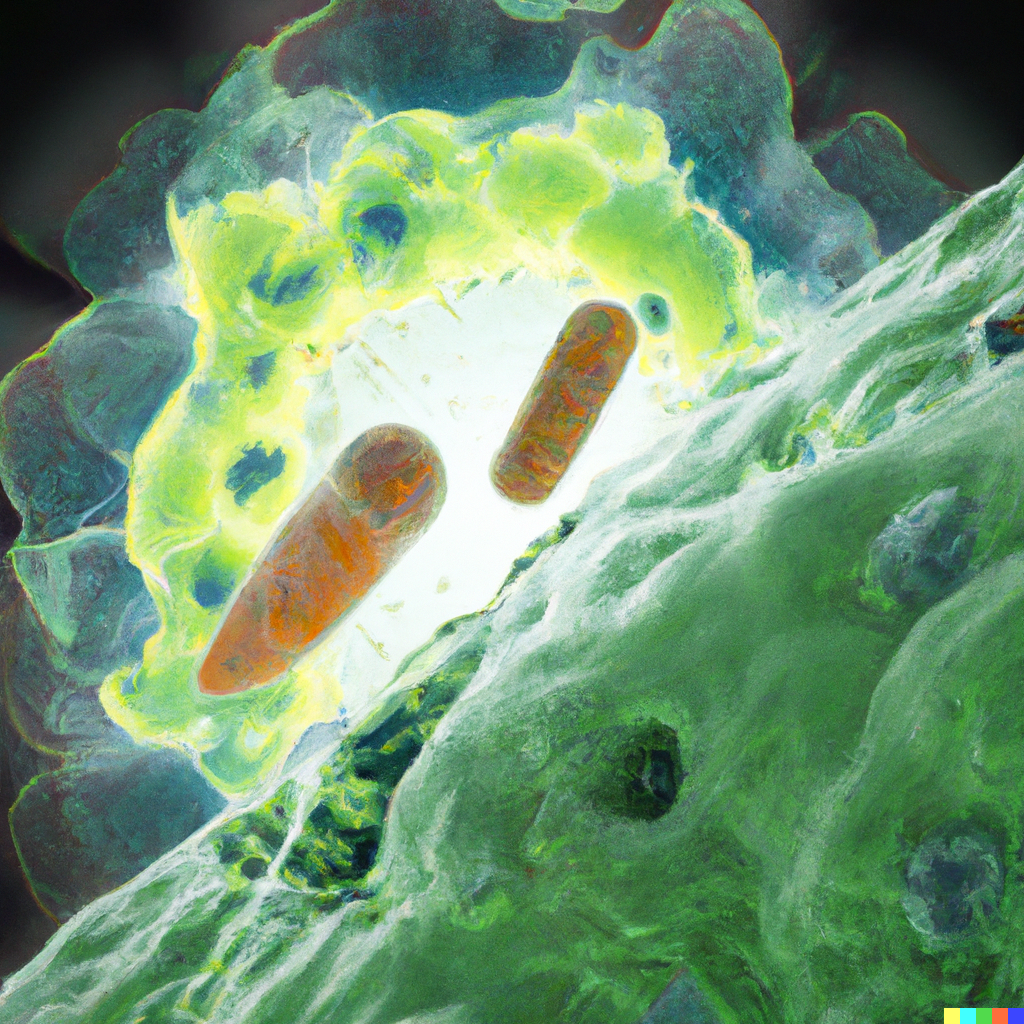
Our epithelial barriers are in constant contact with the external environment including microbes. Upon tissue injury, bacteria have the opportunity to translocate into underlying tissue, potentially causing infection and further tissue damage. How epithelial stem cells sense and respond to translocating microbes during injury is not well known. For my postdoctoral research, I aim to uncover how microbes and their factors carefully tune epithelial stem and progenitor cell responses during injury.

Innate immunity and tissue repair
Monocytes are among the first immune responders that are recruited to tissue injury and infection. During infection, monocytes were thought to be critical for bacterial clearance. For my PhD, I utilized intravital microscopy to uncover the functional role of monocytes in tissue repair post-infection. Despite being recruited in large numbers, monocytes did not interact with or clear bacteria from skin infection. Instead, I discovered that monocytes regulate the vasculature by producing the hunger hormone, ghrelin. This unexpected mechanism led me to identify a novel axis between immune cells and hunger hormones that regulate tissue repair post-infection.
Click here for a link to my paper.
Images were created with the assistance of DALL·E 2
 Rachel M. Kratofil, PhD